Mount Abu Weekend Guide (Rajasthan's Hill Calm)
Mount Abu offers cooler air, forested hills, and a pace that is genuinely different from the rest of Rajasthan. It makes a refreshing add-on to a desert and fort circuit.
By Admin · 27 Jul 2026
Getaway to Udaipur and Kumbhalgarh | A Tale of Lakes and Forts
Timeless Rajasthan | Udaipur, Jaipur & Jodhpur
Frequently asked questions
How far is Mount Abu from Udaipur and how do I get there?
Mount Abu is approximately 160 to 185 kilometers from Udaipur by road, and the drive typically takes between three and three and a half hours depending on the route and traffic. The most common approach from Udaipur is by hired car or taxi, which allows you to stop at viewpoints on the way up the hill road. The nearest railway station is Abu Road on the plains below the hill station, about 28 kilometers from the town itself. From Abu Road, you take a taxi or shared transport up the winding hill road. Buses from Udaipur, Ahmedabad, and Jaipur also serve Abu Road and the town itself regularly.
What is the best time of year to visit Mount Abu?
October through March is the most comfortable and popular period. Temperatures are pleasant during the day and genuinely cool in the evenings and mornings, which is a welcome contrast if you have been in the desert lowlands. Winter evenings can be cold enough for a warm jacket, which surprises many first-time visitors. The monsoon months of July and August bring dramatic green scenery and misty views, but also significant rainfall and occasionally slippery roads. Summer from April to June is warm but still cooler than the plains, which is why many families from Gujarat and Rajasthan escape here specifically during April and May school holidays.
Is Mount Abu worth visiting in the monsoon?
For some travelers, yes. The monsoon transforms the Aravalli hills into something genuinely lush and dramatic, with waterfalls visible on the hillsides and a freshness in the air that the dry months do not offer. If you enjoy green landscapes and do not mind occasional rain, the monsoon visit has a beauty of its own. The practical challenges are real though - some viewpoints and paths become slippery or inaccessible, some roads see temporary closures during heavy rain, and the mist can obscure what would otherwise be panoramic views. Go with flexible plans and the willingness to adapt if the weather decides otherwise.
Can I visit the Dilwara Temples without being Jain?
Yes, the Dilwara Temples are open to visitors of all backgrounds. The rules are strict and apply equally to everyone regardless of religion or nationality. No photography inside the temples, no leather items on your person, mobile phones off, modest dress throughout, and respectful quiet behavior. These are genuinely among the most extraordinarily carved marble temples in the world and are worth visiting purely as an architectural and artistic achievement, entirely apart from any religious context. Follow the rules carefully, move slowly, and give yourself time to look properly at the ceiling carvings in particular.
Is Mount Abu good for young children?
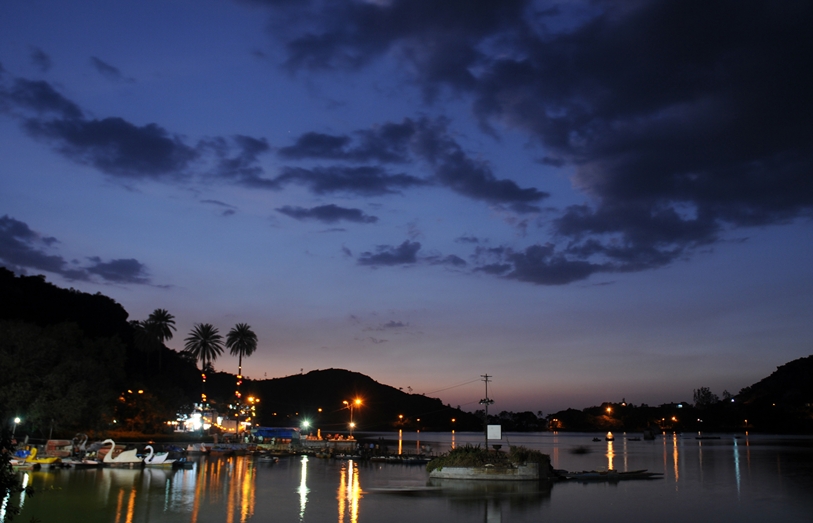
Yes, it is generally a good family destination. The lake is engaging for kids, the boat rides are popular with children, and the overall pace is relaxed and manageable. The Dilwara Temple visit works for older children who can follow the no-photography and quiet-behavior rules, but younger children who cannot reliably stay quiet or still in a religious space may be better off with one parent waiting outside. The nature walks and Guru Shikhar drive are suitable for most ages. The food is predominantly vegetarian and child-friendly, and the cooler temperatures make physical activity more comfortable than in the desert lowlands.
How does Mount Abu compare to hill stations in Himachal Pradesh or Uttarakhand?
Mount Abu is smaller and less dramatic in terms of elevation and mountain scenery than the Himalayan hill stations. It sits at around 1200 meters compared to the 2000 to 3500 meter elevation of places like Shimla, Manali, or Mussoorie. The character is different too - Mount Abu is primarily a weekend town for Gujarat and Rajasthan residents, with a religious pilgrimage dimension from the Dilwara Temples and nearby sites. If you are expecting Himalayan grandeur and deep forests, Mount Abu will be quieter and gentler than that. As a Rajasthan add-on that offers a break from the desert heat and some beautiful temple architecture, it works very well on its own terms.
What should I pack for a Mount Abu weekend?
Between October and February, pack a warm fleece or light jacket for evenings and mornings. The temperature can drop significantly after sunset. Comfortable walking shoes are useful for the lake path and any nature walks. If you plan to visit the Dilwara Temples, wear or carry clothes that cover shoulders and legs, and remember that no leather belts, bags, or accessories can be taken inside. A light rain jacket or poncho is worth having in the monsoon months. Sunscreen remains useful even in the hills, particularly at the Guru Shikhar viewpoint where you are exposed at elevation.
What are the best viewpoints in and around Mount Abu?
Guru Shikhar is the most impressive viewpoint and the highest peak in the Aravallis at around 1722 meters. The drive up through forest is lovely and the view on a clear day covers the surrounding range and plains far below. Honeymoon Point and Sunset Point are popular local viewpoints closer to town that are particularly busy in the evenings when day visitors converge. If you want the same views without the crowd, visit Sunset Point in the morning when it is quiet and beautiful without the evening rush. Achalgarh Fort also offers good hillside views as part of the visit to the fort and temple complex nearby.
Are there good hotels in Mount Abu?
Yes, Mount Abu has a wide range of accommodation options from basic guesthouses to more comfortable hotels with views over the lake or hills. The quality mid-range category is well-represented and there are some heritage-style properties that offer a sense of character beyond a standard hotel room. Peak season - school holidays and long weekends - sees prices rise and availability drop, so booking ahead is important if you are visiting during those periods. The area around Nakki Lake has the highest concentration of hotels and is the most convenient location for walking to most of the town's main spots.
Can Elite Castle include Mount Abu in a Rajasthan trip?
Yes, though we may not always have a fixed listed package that includes Mount Abu. The best approach is to contact us with your full travel dates, the cities you want to include, and your total number of days. If Mount Abu is a priority, mention it clearly and we can look at routing it as an add-on from Udaipur or as part of a wider southern Rajasthan circuit. We would rather build something that genuinely fits your interests than push a standard package that does not include a place you actually want to see.