Jaipur Itinerary for 3 Days (Pink City Plan That Actually Fits)
Three days in Jaipur can feel magical if you pace the forts, leave time for the old city, and keep one evening free for lights and food.
By Admin · 27 Jul 2026


Weekend Getaway to Jaipur | Palaces, Forts, and Heritage
Frequently asked questions
Is 3 days in Jaipur really enough to see the main highlights without feeling like I am rushing through everything?
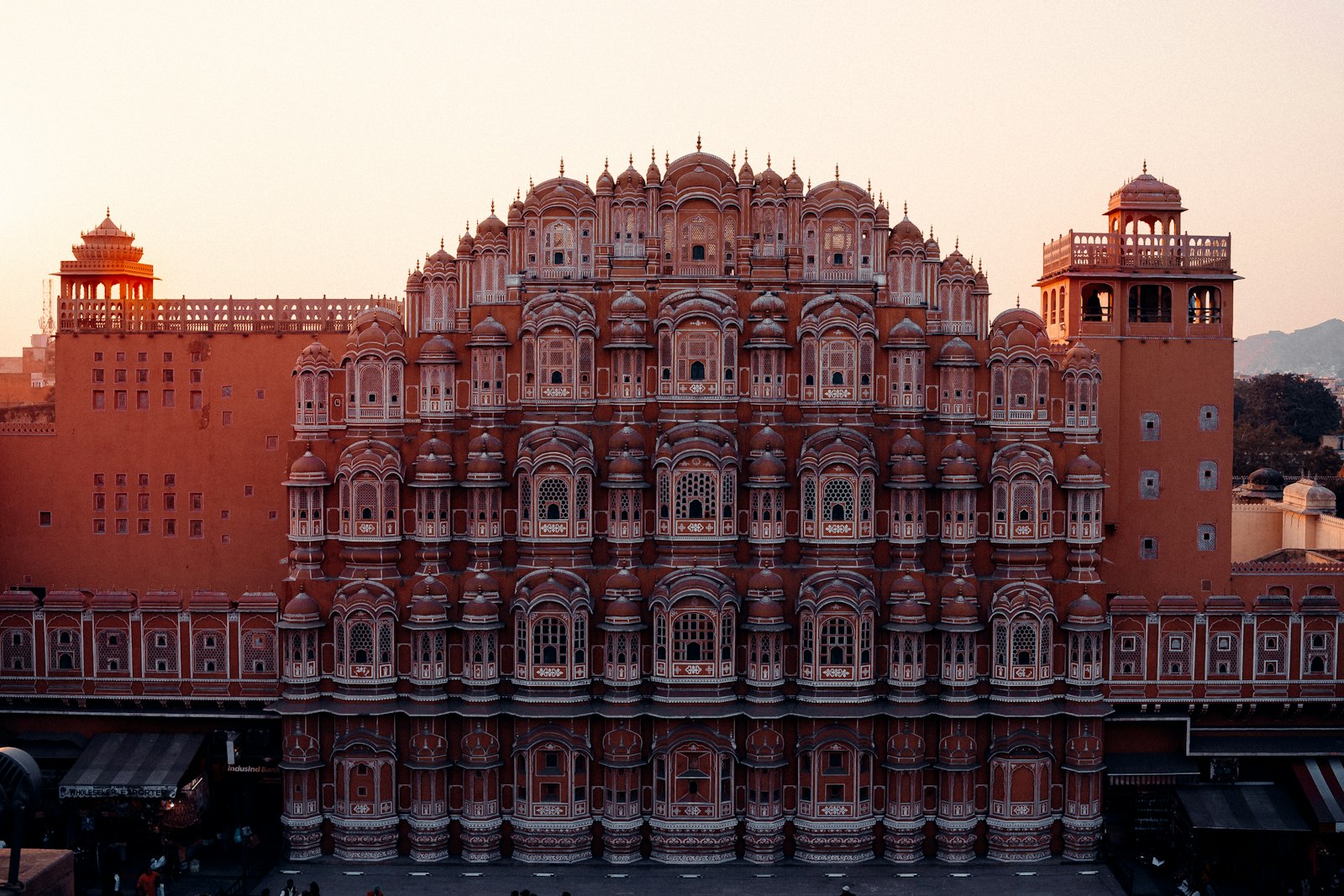
Three days is a comfortable amount of time for first-time visitors if you protect your mornings for the big forts and keep afternoons a little lighter. You will see Amber Fort, City Palace, Hawa Mahal, Jantar Mantar, Nahargarh, and the bazaars without feeling like you are racing. You might not get to every small site or do a full Samode day trip, but you will leave with a real sense of Jaipur rather than a checklist feeling. If you are the type who likes to sit somewhere and watch life for an hour, three days still leaves room for that. Adding a fourth day gives you breathing space for craft workshops or a day trip.
What is the best order for visiting Amber Fort and City Palace, and can I do both in one day?
Yes, you can do both in one day and many visitors do. The usual order is Amber Fort first thing in the morning when it is cooler and less crowded, then City Palace in the afternoon after a lunch break. Amber takes about two to three hours if you walk it properly. City Palace takes one to two hours depending on how much of the museum interests you. If you also want to include Jantar Mantar, which is right next to City Palace, that adds another hour. This full cluster makes a solid first day itinerary. Try to be at Amber Fort by 8 or 8:30 a.m. to beat the main surge of visitors.
Do I really need a licensed guide at Amber Fort or can I enjoy it on my own with just my phone?
You can absolutely enjoy Amber Fort without a guide, especially if you read up a little before going. Signboards inside explain the key rooms and historical details. Many travelers do fine with just a bit of reading in advance or an audio guide if the fort offers one. That said, a licensed guide does add a lot of colour to the visit because Amber has layers of history, strategic design, and royal stories that a signboard cannot fully convey. The Sheesh Mahal in particular is explained much better when someone shows you how the mirrors were arranged to multiply a single candle flame into the illusion of thousands. If you enjoy that kind of storytelling, hire one at the official counter inside the fort rather than accepting an offer from someone outside.
I am a solo traveller visiting Jaipur for the first time. Is the city safe and easy to navigate on my own?
Jaipur is one of the more visited cities in India and the tourist areas are busy and well-trodden. For solo visitors, the main tips are the usual sensible ones: keep your valuables close in crowded market lanes, agree on an auto or taxi fare before getting in if you are not using an app, and avoid empty lanes alone after midnight. Women traveling solo report that the old city is manageable in the daytime and during busy evenings, though it helps to be a little assertive about personal space in very crowded bazaar conditions. Using hotel-recommended transport for late nights is always a good idea. The main heritage sites are busy and feel safe. Eating at well-reviewed places with visible hygiene is the other key thing to watch.
How much should I roughly budget for a 3-day Jaipur trip covering accommodation, food, transport, and entry tickets?
The honest answer is that it depends mostly on your hotel choice and comfort level. A mid-range stay in a heritage hotel or clean guesthouse in the old city costs somewhere between 2,000 and 5,000 rupees per night. Budget options go lower and good boutique properties go higher. Entry tickets for the major forts and palaces together add up to roughly 500 to 1,500 rupees depending on which combo you buy and whether you are Indian or foreign national. Food at a good Rajasthani thali place runs about 300 to 600 rupees per person per meal. Local transport by auto or cab for a full day driver adds a few hundred more. A package that bundles stay, transfers, and sometimes tickets can actually help you see the total cost clearly upfront rather than tracking every item separately.
We are travelling with young children. Can we follow this 3-day plan or does it need to be adjusted for kids?
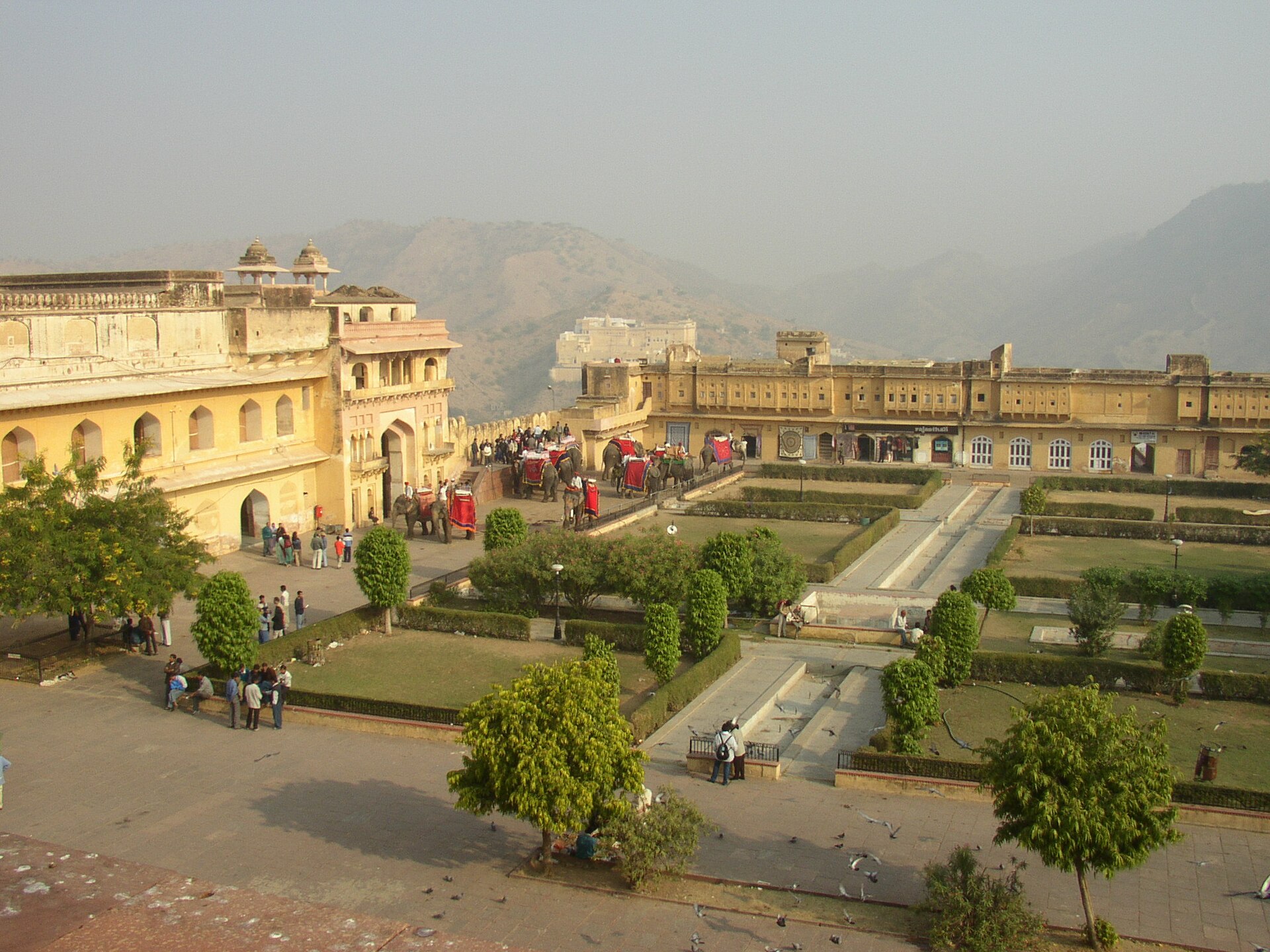
Jaipur works well with children as long as you adjust the pace. Young kids love Amber Fort for the sheer drama of it, the elephants near the entrance that they might spot, and the big walls that feel like a real castle. The trick is to not rush them through it or force every museum room. Plan longer breaks in the middle of each day, ideally back at the hotel with lunch and a rest, before heading out again in the late afternoon. A Rajasthani puppet show or a traditional music performance in the evening can be a genuine highlight for children. Avoid stacking two fort visits on the same day if you have kids under ten. One big fort and one relaxed evening is a better rhythm.
What should I wear when visiting palaces, forts, and temples in Jaipur so I feel comfortable and respectful?
Light, breathable fabrics are best given how much walking you will do. Cotton works well in any season. For palaces and forts, there is no strict dress code but covering shoulders and knees is a sign of respect and often required at temple areas within the complexes. A light scarf or stole is easy to carry in your bag and can be pulled over your shoulders or head when entering religious areas. Comfortable closed shoes or sandals with good grip are essential for uneven stone floors and steps at Amber and Nahargarh. Avoid flip-flops for fort visits specifically. In winter, evenings in Jaipur can be surprisingly cool, so a light layer for after sunset is useful.
How do I book a Jaipur package with Elite Castle and what is usually included in a trip package?
You can reach us through the contact page on this site or through the package detail pages. Share your travel dates, the number of people, your hotel preference range, and whether you want to drive from Delhi or fly in. We then put together an option that covers your stay, airport or station transfers, a local cab for the days you need it, and sometimes entry tickets or a guided fort visit depending on the package. The goal is to give you a clear cost upfront so there are no surprises. If you have specific interests like a craft workshop or a day trip to Samode, mention that and we include it in the plan.
Is it worth visiting Jaipur in April or May even though everyone says it gets very hot?
It is absolutely possible and some people actually prefer the lower crowd levels and cheaper hotel rates in summer. The heat in April can be intense, and May is genuinely hot with afternoon temperatures climbing high. The practical approach is to start your sightseeing at sunrise or by 7 a.m. at the latest, visit one or two sites in the morning, then retreat to your hotel or a cool restaurant from around noon to 4 p.m., and go out again in the late afternoon when the temperature drops. Fort visits in particular feel brutal at midday in summer, so the morning slot matters a lot. Carry extra water, wear light covered clothing, and skip any day where the forecast looks extreme. Some travelers actually love the dramatic light and empty forts of a hot summer morning.
What is one thing that surprises most first-time visitors to Jaipur that they did not expect before arriving?
Most people expect the monuments and the pink buildings, but what catches them off guard is how alive the old city feels. It is not a preserved-for-tourists zone. Real people live there, shop there, cook on the street, and go about their day surrounded by 300-year-old walls. The smell of jasmine and spices in the morning market, the sound of temple bells, the sudden colour of a wedding procession coming down a narrow lane, none of that is on any tourist brochure. The other surprise is the food. Most first-time visitors come expecting it to be a little exotic and leave thinking it is one of the most satisfying things they have ever eaten. Dal baati churma does that to people.